
The Maria Reiche Museum and the Nazca Lines
The Maria Reiche Museum offers a personal way to approach the Nazca Lines. It is associated with the researcher who studied the desert markings and worked to protect them. A visit adds context to the view from the nearby tower or a flight, bringing the questions of observation, documentation and preservation into focus.
The museum is a separate stop from the geoglyph viewpoints. Pair it with the roadside mirador to consider both Reiche’s work and the landscape itself. The former home and the open desert offer very different ways to spend time in the area.
Museum visits
Choose a guided museum and viewpoint combination, or transport with a bilingual guide. Confirm admission where it is not specified.
Hand-picked tours, booked through GetYourGuide and Viator. Prices are indicative starting prices in US dollars (as of October 2026). Tap a tour for live availability and the current price in your currency.
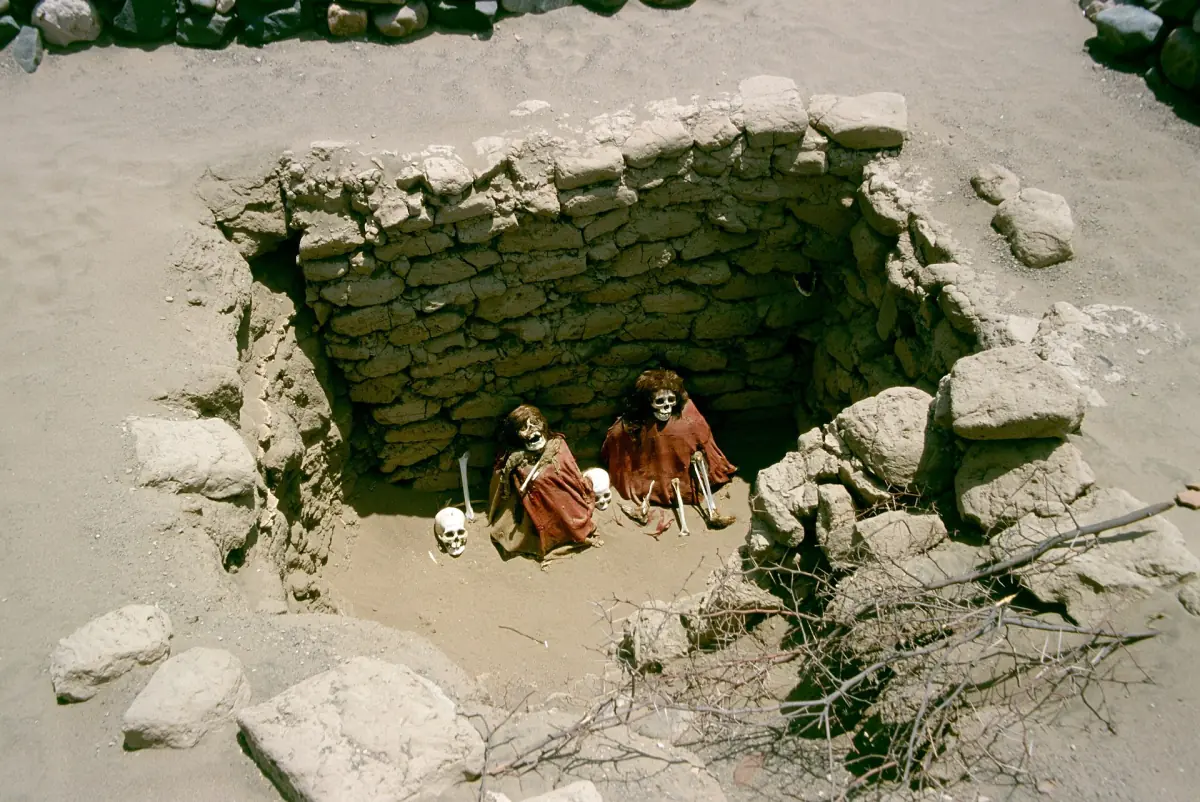
Museum and viewpoints with transport
- Tourist admission
- Guided tour in Spanish - English
The guided visit includes private transportation.
Check availability →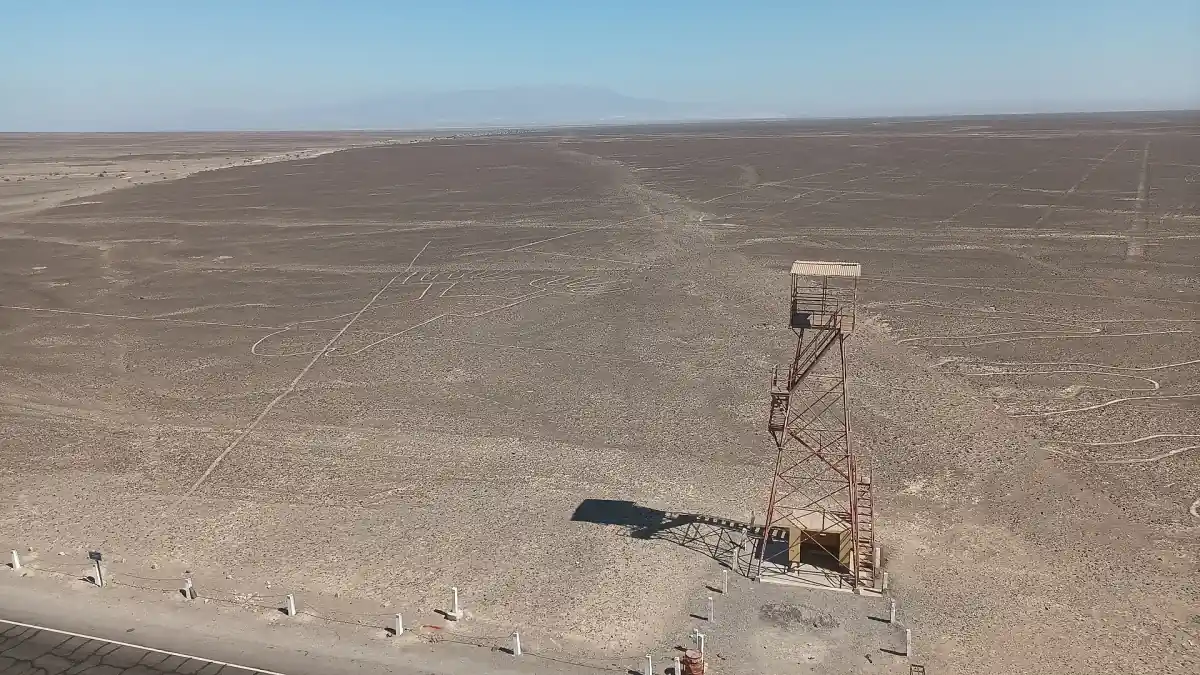
María Reiche Museum and viewpoint
- Tourist transport
- English / Spanish guide
Confirm admission costs with the provider before booking.
Check availability →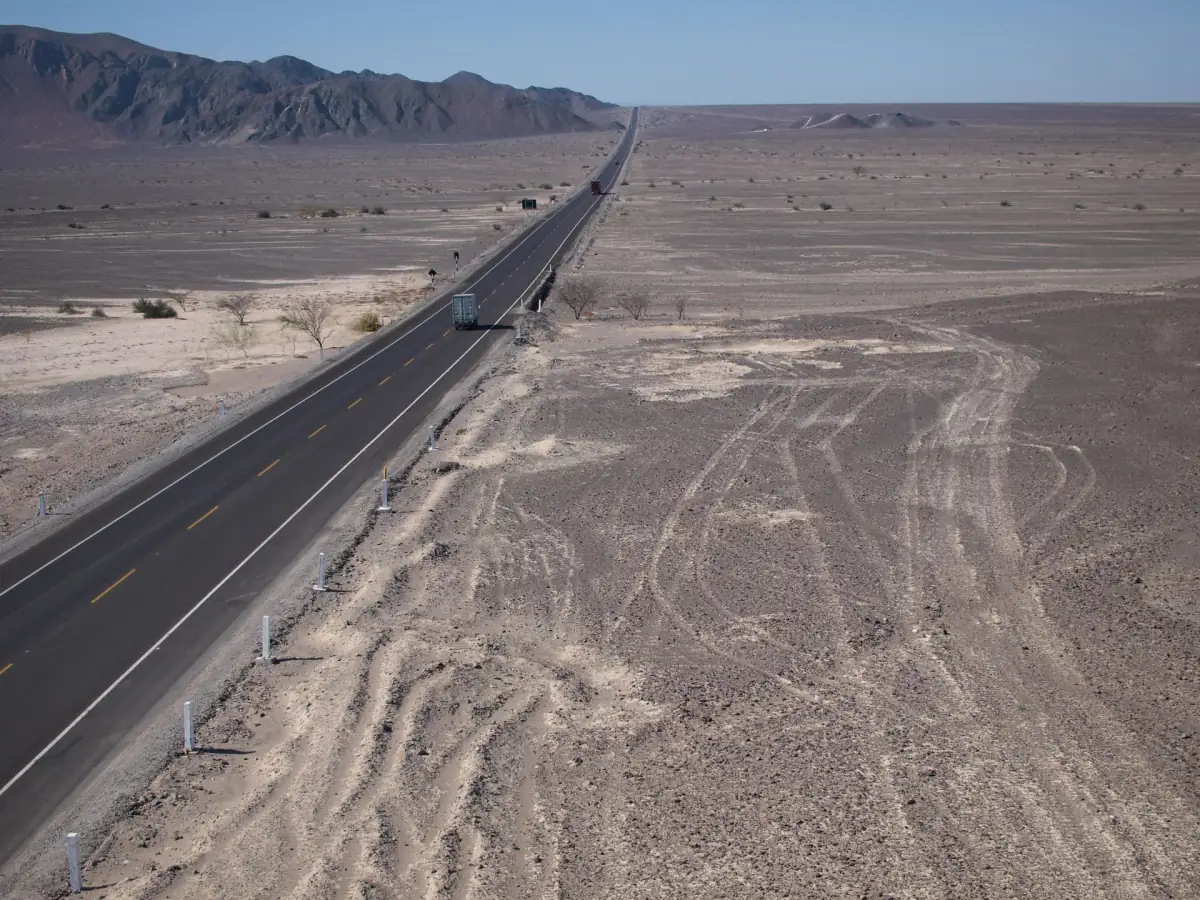
María Reiche Museum guided visit
- Tourist transportation
- Bilingual guide
Confirm museum admission costs with the provider.
Check availability →Tours for this route
Compare guided road visits connecting the museum with viewpoints and transport.
Reiche’s research and protection work
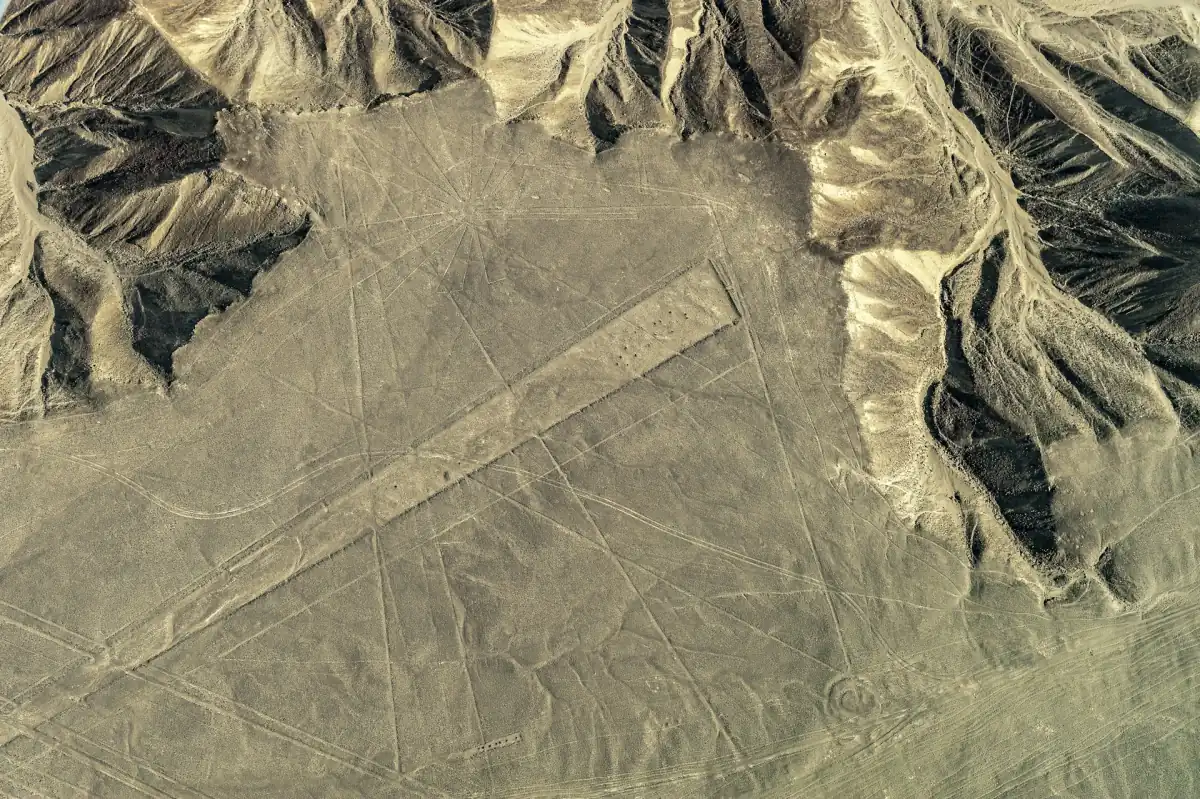
UNESCO notes Reiche’s research and protection work from 1941. She studied the lines and figures in the desert and helped draw attention to their preservation. Her association with the place is an important part of the modern history of the geoglyphs, alongside the much older cultures that created them.
The purpose of the markings remains a subject of interpretation. An astronomical calendar is one proposed explanation, not an established single function for every line. Our history of the Nazca Lines places the figures and their interpretations in a broader archaeological context.
The former home and collections
A Ministry of Culture museum guide published in 2023 describes the museum as opening in 1994 in a house where Reiche lived for more than 25 years. The guide describes working instruments, plans, photographs and living space. These objects offer a way to think about the practical work of recording a vast desert landscape.
The same historical guide describes the burial place of María Reiche and her sister at the museum. Approach the site as both a place of remembrance and a museum visit. Set aside time to engage with the material rather than fitting it into a hurried stop between journeys.
Museum and viewpoints together
A guided ground itinerary combines the museum with an artificial viewpoint and a natural lookout. The museum focuses on the researcher and her work; the viewpoints let you look across the desert. A bilingual guided option includes private transport and tourist admission, with pickup at a central Nazca hotel or bus terminal.
Another option from a Nazca hotel includes tourist transport and an English or Spanish guide. Check the entry arrangements for your chosen offer. A further tour includes hotel return transfer, tourist transport and a bilingual guide; review its admission terms when planning your budget.
Getting there and allowing time
The museum can be included on a road trip along the Pan-American corridor or visited on a guided route from Nazca. Compare the starting point and full itinerary before deciding whether to arrange the journey yourself. A planned route can take the pressure off coordinating separate stops.
If you are arriving from farther away, our getting there guide covers travel from Lima and the coastal route. You can also look at Nazca excursions to compare a ground visit with a flight or a longer trip.
Admission and practical planning
Before setting out, check current museum opening hours and admission charges. Allow for the journey, the visit and your onward connection, particularly when combining the museum with an aerodrome appointment. Carry local currency for any admission paid separately from your tour.
The museum is especially worthwhile if you want more than a quick view of the figures. It connects the landscape to the people who studied and cared for it, while the viewpoint guide helps you plan the outdoor part of the same day.
Frequently asked questions
Who was María Reiche?
She was a researcher associated with the study and protection of the Nazca Lines; UNESCO notes her work from 1941.
Can I combine the museum with the lookout?
Yes. Guided ground routes connect the museum, the tower and a natural viewpoint.
Is admission included in every tour?
Inclusions differ. Review the ticket terms of your selected route.
Is the museum the same experience as a flight?
No. The museum concerns Reiche and her work; a flight gives an aerial view of the geoglyph landscape.