
Choosing the best time to visit the Nazca Lines
The best time to visit the Nazca Lines is a matter of balancing desert conditions with the rest of your route. The geoglyphs lie in the Nasca and Palpa area of Peru's Ica region. A flight gives you an aerial perspective, while a viewpoint and archaeological sites make a different kind of day on the ground.
Historical climate information suggests that days in the Peruvian winter may be less hot, with cooler nights. That is useful when choosing clothing and scheduling outdoor stops, while conditions on your own travel date may differ. Leave space in your itinerary for the weather and for the long road journey.
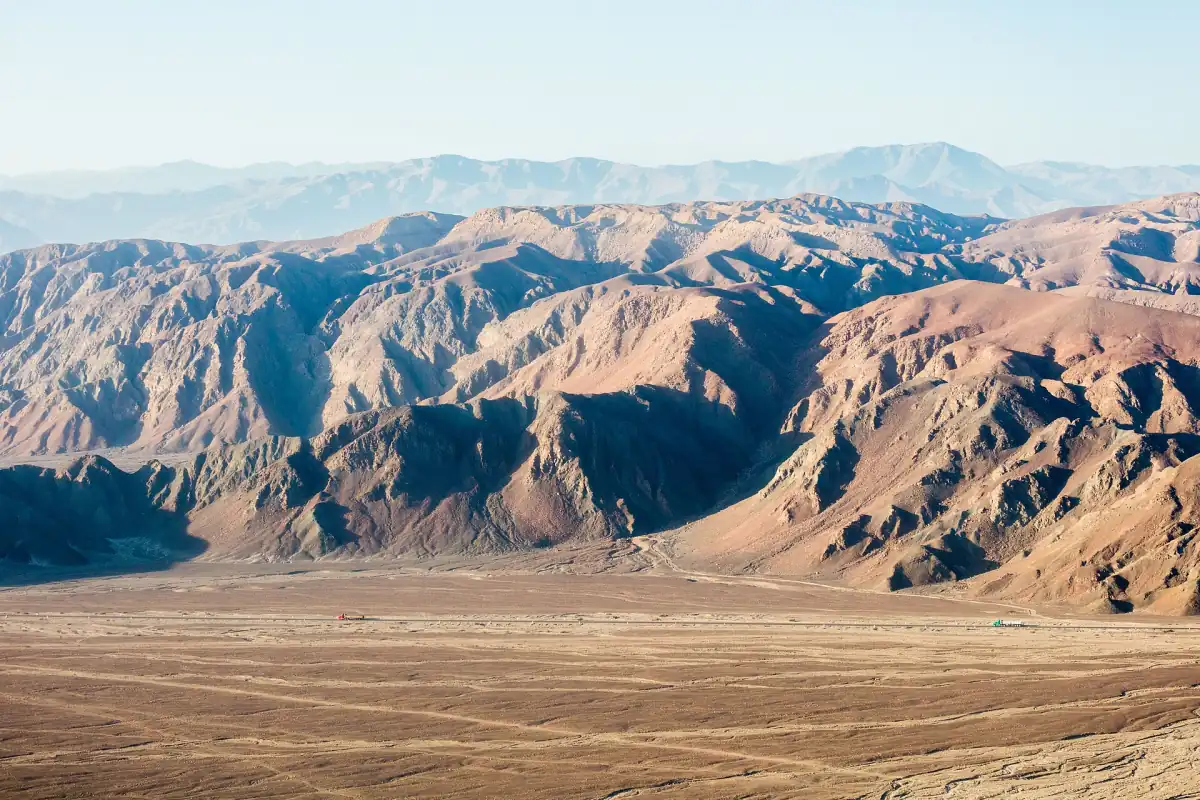
Daytime heat and cooler nights
Desert temperatures can feel very different across a day. Consider carrying a light layer for a cooler evening as well as protection from the sun during an exposed visit. A less hot season may be appealing if your plans include several ground sites, but a seasonal average is not a forecast for a particular morning or afternoon.
If you arrive by road, think about when you will have the energy for an outdoor stop as well as when you can reach it. A relaxed schedule makes it easier to enjoy the contrast between the desert landscape and the archaeological sites instead of fitting every stop into a narrow window.
Flight planning
This flight package includes transfers from Ica or Huacachina and a pre-flight briefing.
Hand-picked tours, booked through GetYourGuide. Prices are indicative starting prices in US dollars (as of October 2026). Tap a tour for live availability and the current price in your currency.
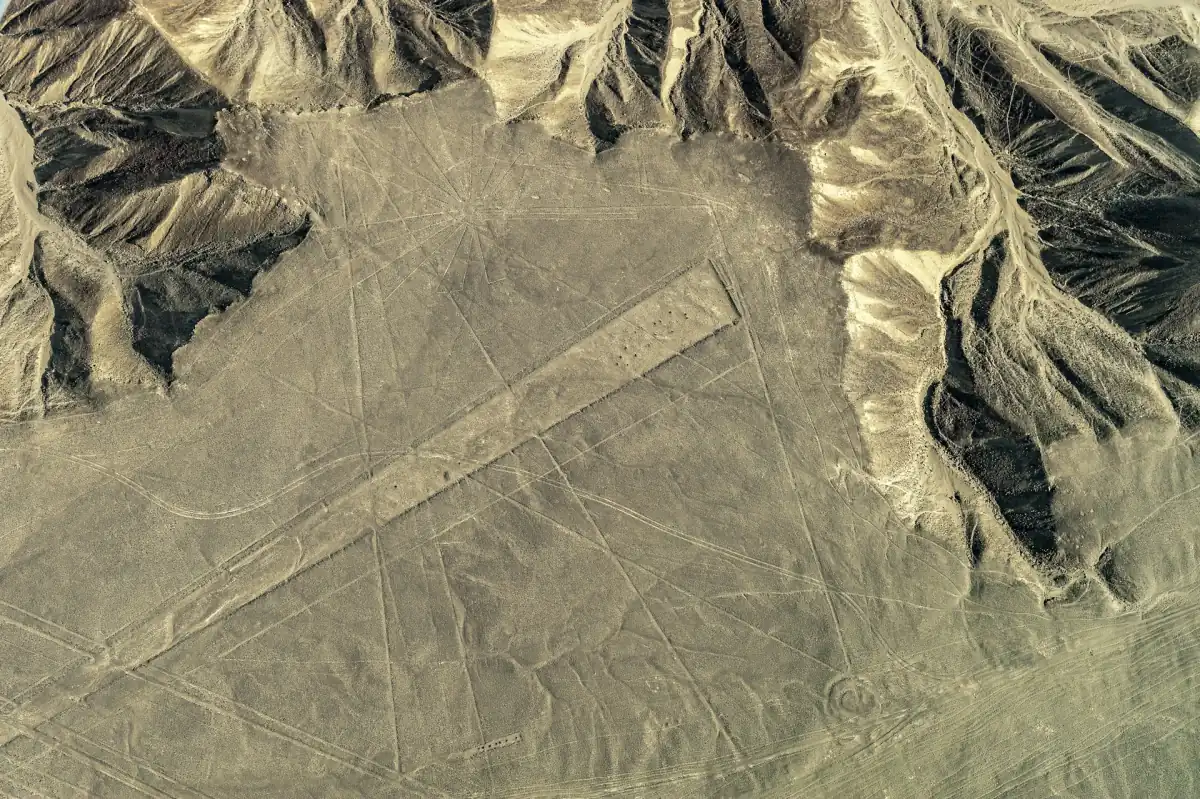
A flight from an Ica or Huacachina base
This flight option includes transfer from Ica or Huacachina; the flight remains dependent on weather.
Ground visits and sun protection
Bring water, a hat and sunscreen for exposed archaeological sites. The Nazca Lines viewpoint offers a ground-based perspective from the Pan American Highway. At the Cantalloc aqueducts, the subject changes from aerial figures to the stone-lined openings and channels of a water system.
These places reward different kinds of attention. Give each stop enough time and arrange transport between sites, rather than assuming that one viewpoint covers the entire landscape. The history of the lines provides useful context for interpreting what you see without treating any one explanation as settled fact.
Flight weather and flexible plans
A Nazca Lines flight depends on the conditions on the day. Booking a convenient date is the start of planning, not a promise that a particular figure will be visible. Review the flight's own check-in and cancellation terms, and keep a ground visit in mind if your programme changes.
A flight from Nazca and an excursion with pickup in Ica or Huacachina have different road components. Compare the whole trip with your onward plans, not just the time in the air. If you are staying elsewhere, the transport guide helps you connect the separate legs.
Leave time before onward travel
Keep a margin between a flight and a long-distance bus or another fixed booking. Road conditions, check-in arrangements and weather can affect the day in different ways. An overnight stop can give you more room to adjust than an itinerary that requires every connection to run exactly as planned.
For a longer stay, consider whether you would rather schedule the flight before or after a ground visit. The accommodation guide compares Nazca with bases farther along the coast, without assuming that a flight booking includes a room.
Coastal combinations and boat conditions
Paracas offers a starting point for boat trips to the Ballestas Islands. Sea conditions affect a boat outing separately from the weather relevant to a desert flight. Allow time for both journeys and look at the departure point of each experience when combining them.
Huacachina adds a different desert landscape to the route. If you combine dunes with Nazca, distinguish the road transfer from the flight itself and avoid relying on a single tight connection. A flexible itinerary is useful whatever season you choose.
Questions about timing
Is the Peruvian winter cooler in Nazca?
Historical climate information suggests less daytime heat in winter, alongside cooler nights. Actual weather varies.
Can weather change a flight plan?
Yes. Allow flexibility and read the conditions attached to your particular flight.
Can I combine Nazca and Ballestas?
Yes, with separate time for the road journey and a boat departure from Paracas. Sea and flight conditions are different considerations.